Rural clinics are replacing unreliable internet connections with cellular service to support telehealth, electronic health records, remote monitoring, and everyday patient communication. Here, “reliable cellular” means mobile connectivity dependable enough for a clinic’s essential digital workflows—not simply a phone signal that appears on a coverage map. The shift matters because rural access gaps persist: the Federal Communications Commission has estimated that 21.3 million Americans lack access to fixed broadband meeting its benchmark, while federal rural-health programs increasingly rely on connected care. Cellular can offer a practical alternative, but its success depends on signal quality, network capacity, backup options, security, and total cost.
Reliable Cellular Connectivity for Rural Clinics
A rural clinic’s connectivity is the combination of network access, equipment, and operating practices that allows staff to use digital health services consistently. Cellular access—typically 4G LTE or 5G delivered through a router, modem, or managed hotspot—can bypass limited wired infrastructure and provide a primary connection or a backup when fixed broadband fails.
The FCC’s broadband benchmark is 100 megabits per second (Mbps) download and 20 Mbps upload. Its 2024 report estimated that 21.3 million people lacked access to fixed service at that level, including 4.5 million people in rural areas. These are availability estimates, not a count of every person who cannot afford service or who experiences interruptions. Still, they underscore why clinics outside well-served towns investigate alternatives.
What “reliable cellular” means in clinical settings
Reliability is the ability to complete essential tasks with predictable performance. For a clinic, that may mean opening an electronic health record, sending a prescription, joining a video visit, or uploading diagnostic information without repeated delays. Signal bars alone do not establish reliability: indoor coverage, congestion, upload speed, latency, and service interruptions all affect actual performance.
The Federal Communications Commission’s coverage maps describe reported provider availability, but a clinic should validate service at its own building and during its busiest hours. A pilot using the intended router and antenna can reveal whether a connection supports real clinical workflows rather than just a speed test conducted outdoors.
Why clinics are reconsidering spotty connections
Unstable connectivity can disrupt more than video calls. Clinics may need continuous access to scheduling, billing, pharmacy systems, imaging, laboratory portals, and cloud-hosted records. The Health Resources and Services Administration identifies telehealth as an important way to extend care to rural and underserved communities, but virtual care depends on both provider-side and patient-side connectivity.
The National Rural Health Association has also highlighted broadband access as a persistent rural-health concern. When a wired connection is unavailable, slow to deploy, or vulnerable to outages, cellular service may provide a faster route to baseline connectivity. It is not automatically cheaper or more robust; the case depends on local coverage, data needs, and the cost of installation and ongoing service.
How Cellular Connectivity Supports Rural Clinic Care
Cellular connectivity can serve as primary internet, a failover link, or a dedicated connection for specific equipment. These are related but distinct uses: a primary link carries routine clinic traffic, failover keeps critical systems online when the main connection drops, and a dedicated link can isolate high-priority devices or workflows.
Telehealth and virtual visits
Telehealth uses communications technology to provide clinical services at a distance. With a stable cellular router and adequate upload capacity, a clinic can host video consultations, connect patients with specialists, and support remote follow-ups when travel is difficult. The FCC’s 100/20 Mbps benchmark is a general broadband measure, not a universal minimum for every clinic; actual needs depend on the number of simultaneous users and the applications in use.
The U.S. Department of Health and Human Services reports that telehealth use expanded rapidly during the COVID-19 public-health emergency. That period demonstrated the value of virtual care, while also exposing connectivity barriers in rural communities. Clinics should plan for privacy, accessible patient interfaces, and a non-video alternative when a patient’s connection cannot sustain a visit.
Electronic health records and cloud applications
Electronic health records (EHRs) store and manage clinical information, while cloud applications allow authorized staff to access software and data hosted remotely. Cellular internet can connect a clinic to these systems where wired broadband is limited. Stable upload performance matters for sending notes, referrals, scanned forms, and images; low latency helps interactive applications feel responsive.
The Office of the National Coordinator for Health Information Technology has documented the broad adoption of certified EHRs among U.S. hospitals and office-based physicians. As care becomes more digitally coordinated, a clinic’s connection is operational infrastructure. Providers should also establish downtime procedures so staff can continue safe care if the cellular link or cloud service is unavailable.
Remote patient monitoring and connected devices
Remote patient monitoring uses connected devices to transmit measurements—such as blood pressure, glucose, or oxygen levels—to care teams. Cellular networks can carry data from clinic equipment or patient devices, including in locations where household broadband is absent. Some monitoring devices connect directly to cellular networks; others rely on a patient’s smartphone or home Wi-Fi.
The Centers for Medicare & Medicaid Services recognizes remote physiologic monitoring services under specific coverage and billing rules. Connectivity alone does not make a monitoring program clinically effective: teams need workflows for reviewing readings, responding to concerning results, and helping patients who have limited digital skills or intermittent service.
Choosing and Validating a Cellular Solution
Selecting a cellular plan is a site-specific engineering and procurement decision. Clinics should compare more than advertised download speeds: they need to test indoor reception, upload performance, network congestion, data limits, equipment compatibility, and the consequences of an outage. A provider’s map is a starting point, not proof that service will meet clinical requirements.
Coverage, capacity, and on-site testing
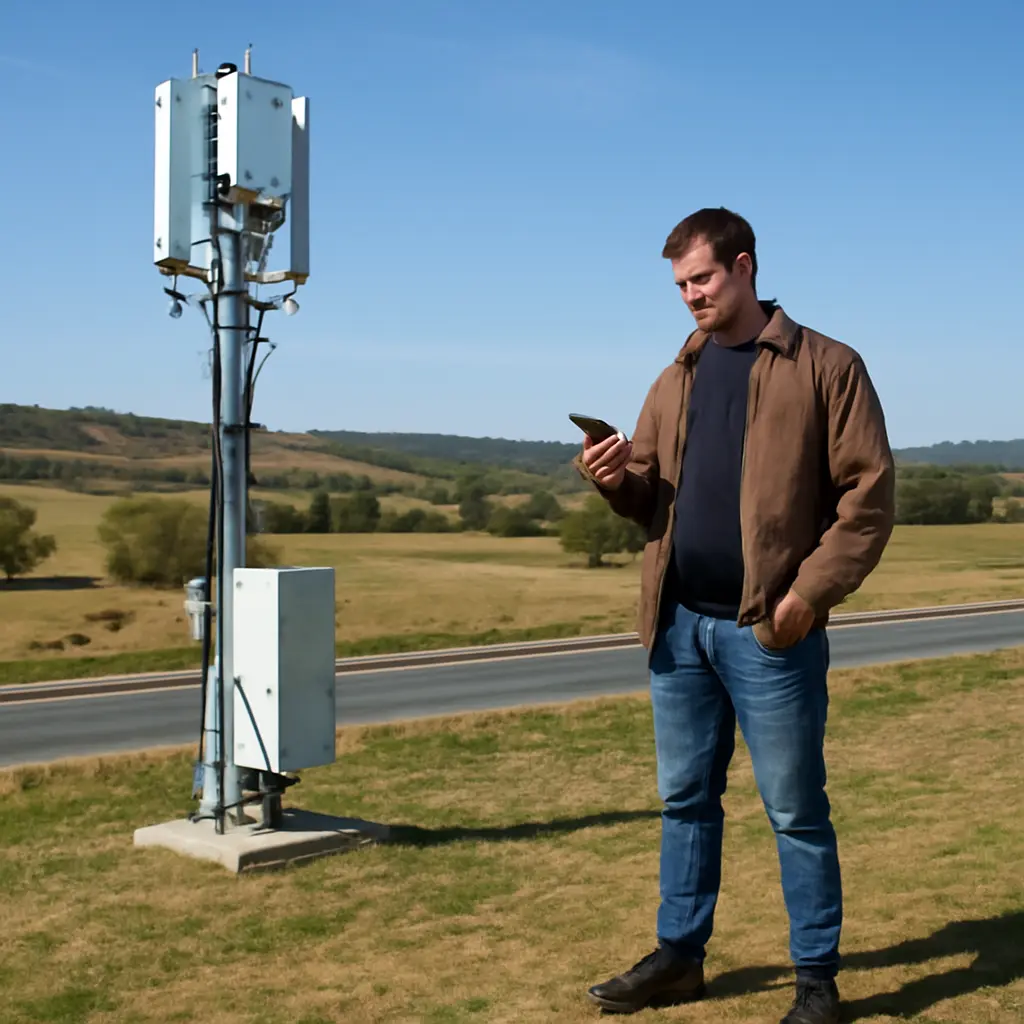
Coverage describes whether a network reaches a location; capacity describes how well it serves users and applications at a particular time. Rural terrain, building materials, distance from a cell site, and peak-hour demand can affect both. A clinic can test multiple carriers with the router and antenna it expects to deploy, recording download and upload speeds, latency, packet loss, and signal strength in work areas.
The FCC’s National Broadband Map lets users examine reported broadband availability by location, including mobile coverage information. Because mapped coverage may not reflect indoor conditions or real-world congestion, a clinic should run a multi-day pilot and test representative workloads, including concurrent video visits and EHR use.
Routers, antennas, and network design
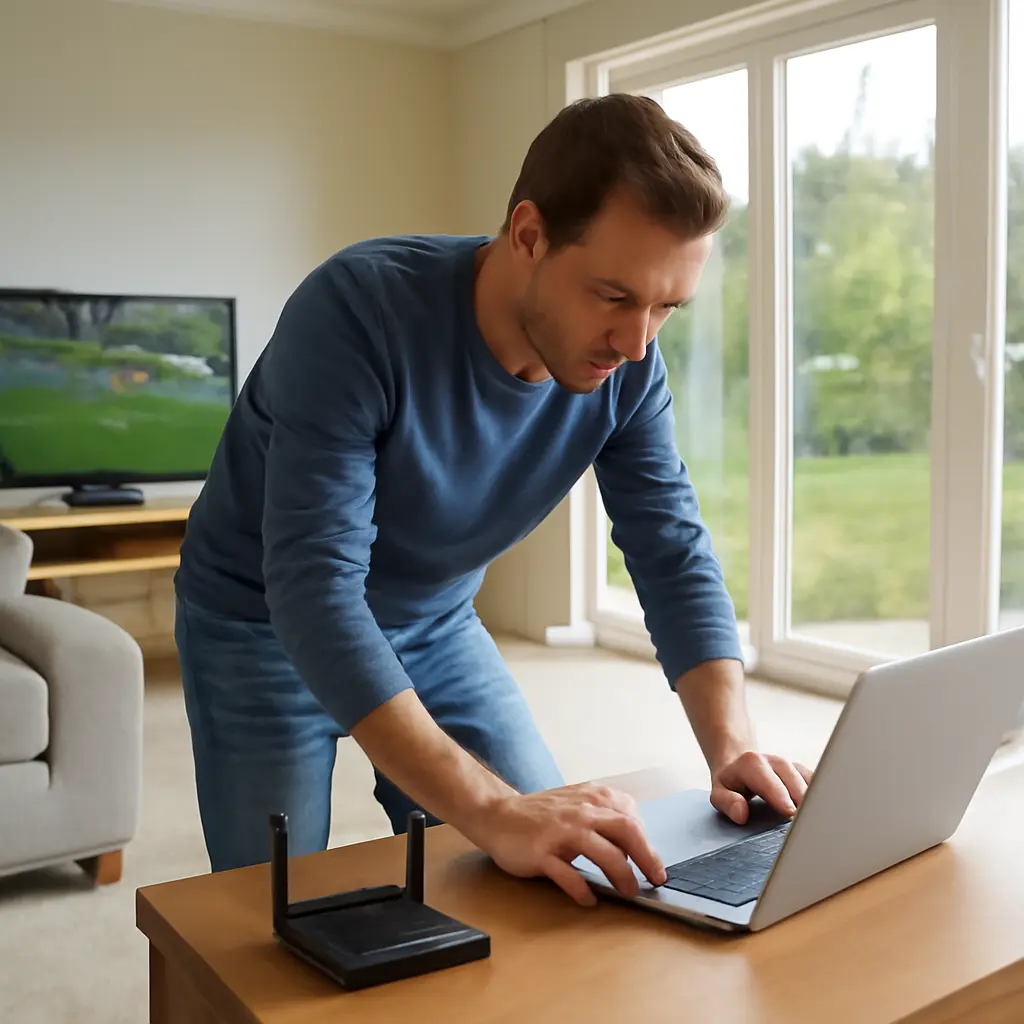
A cellular router converts a mobile-network connection into local Wi-Fi or Ethernet access for clinic devices. External antennas can improve reception when properly placed and compatible with the router and carrier bands. In some locations, a directional antenna aimed toward a cell site may help; installation should be based on measurements rather than assumptions.
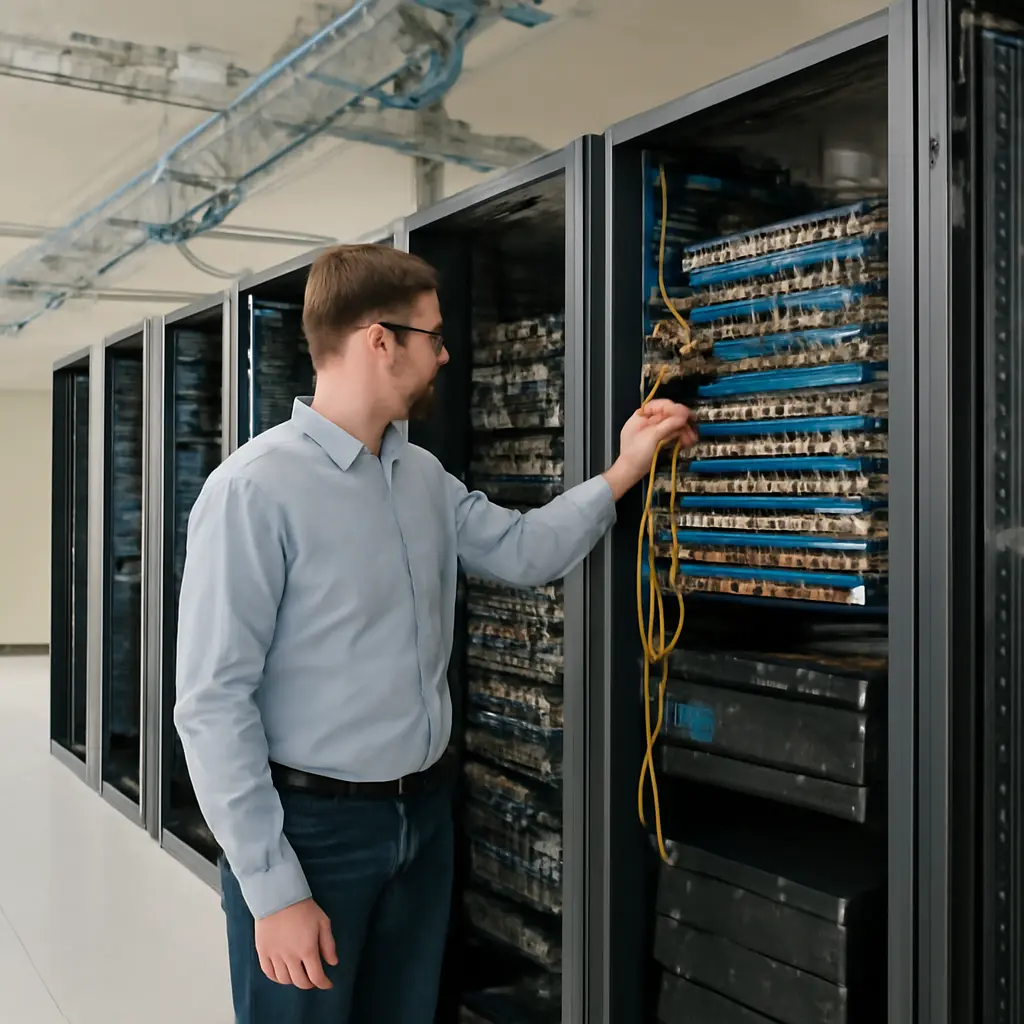
Clinics with critical systems may use dual-SIM routers or separate carriers to reduce dependence on a single network. However, two subscriptions do not guarantee resilience if both rely on the same local infrastructure or are affected by the same power outage. Network design should include power backup, secure configuration, and a documented recovery process.
Data plans, affordability, and lifecycle cost
Total cost includes monthly service, hardware, antennas, installation, support, taxes, and the expense of data overages or throttling. Clinics should estimate traffic from video, software updates, backups, and connected devices, then compare that estimate with plan limits and fair-use terms. A low introductory rate may not represent the long-term cost.
Federal programs may help eligible organizations improve broadband infrastructure. The USDA’s ReConnect Program provides loans and grants for broadband deployment in eligible rural areas, while the FCC’s Rural Health Care Program supports eligible health-care providers seeking telecommunications and broadband services. Eligibility, application windows, and allowable costs vary, so clinics should verify current program rules before including assistance in a budget.
Security, Continuity, and Practical Risks
Cellular service changes the route by which data reaches the internet; it does not remove the clinic’s responsibility to protect health information. A sound deployment combines network security, device management, staff procedures, and continuity planning. The U.S. Department of Health and Human Services’ HIPAA Security Rule requires covered entities and business associates to apply safeguards to electronic protected health information.
Protecting patient information
Clinics should use encrypted connections, change default router credentials, apply firmware updates, restrict administrative access, and separate clinical devices from guest Wi-Fi. Multi-factor authentication and endpoint protection add safeguards for accounts and devices. Cellular encryption should not be treated as a substitute for end-to-end application security or compliance with organizational policies.
The National Institute of Standards and Technology recommends risk-based cybersecurity practices, including identifying assets, protecting systems, detecting incidents, responding, and recovering. Clinics can apply these principles by keeping an inventory of routers and connected devices, reviewing vendor access, and testing incident-response procedures.
Outages, power loss, and downtime procedures
Cellular networks can fail because of power loss, tower damage, maintenance, weather, or congestion. The Federal Emergency Management Agency emphasizes the importance of communications planning and continuity in emergencies. Clinics should define which services must remain available, identify manual alternatives, maintain backup power for essential network equipment, and know how staff will contact emergency services or referral partners.
A secondary connection can reduce the impact of a single-link failure, especially when it uses a different carrier or a wired service. Clinics should periodically test automatic failover and confirm that critical applications reconnect properly; a backup that has never been tested may not be dependable when needed.
Patient-side connectivity and digital inclusion
A clinic’s cellular connection cannot solve every patient’s access problem. Patients may lack a suitable phone, affordable data, private space, or confidence using a telehealth platform. The U.S. Census Bureau’s American Community Survey tracks household internet subscriptions and computer access, showing why digital access should be considered alongside clinical service availability.
Clinics can offer help with device setup, provide private telehealth rooms, use telephone visits when clinically appropriate, and connect patients with local digital-literacy or connectivity programs. These measures help ensure that a better clinic connection translates into practical access to care.
A Practical Rural Clinic Example
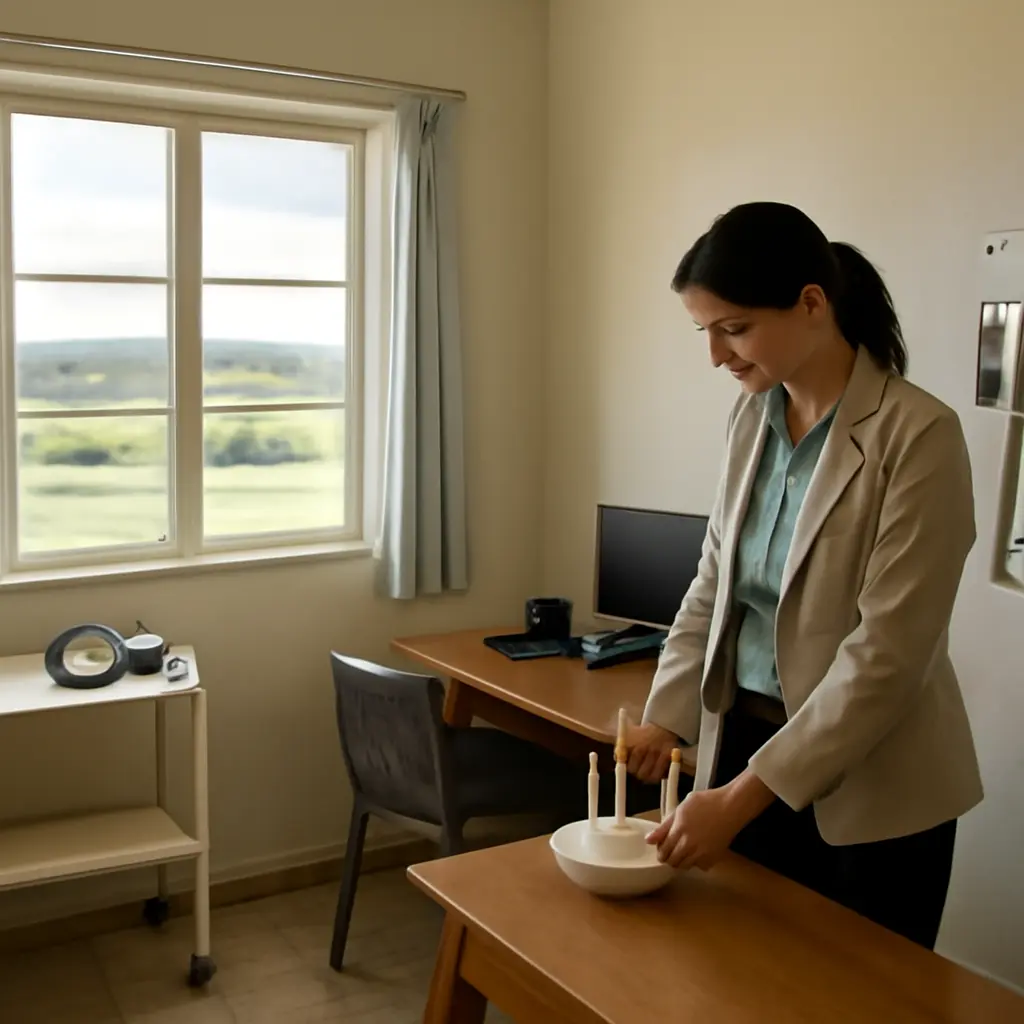
Consider a small community clinic whose wired connection drops during severe weather and cannot support simultaneous video appointments. Before switching, the clinic tests two carriers inside the building during morning and afternoon peak periods, compares upload speeds and latency, and runs a trial with its EHR and telehealth platform. It then installs a cellular router with an external antenna and keeps the existing wired service as an automatic backup.
The clinic measures success by more than speed: it tracks connection availability, failed or interrupted visits, EHR response time, support tickets, and monthly data charges. It also trains staff on downtime procedures and checks that patient data remains protected. This is an illustrative deployment pattern, not a claim about a specific named clinic; local testing and clinical risk assessment determine whether the arrangement is suitable.
Conclusion: Reliable Cellular as Rural Health Infrastructure
Reliable cellular connectivity can help rural clinics overcome limited wired options and support telehealth, EHR access, remote monitoring, and continuity planning. The FCC’s estimate that millions of Americans still lack fixed broadband at its 100/20 Mbps benchmark illustrates the scale of the access challenge, while rural health programs show why dependable digital infrastructure is increasingly tied to care delivery.
The strongest approach is evidence-based: test coverage at the clinic, match network capacity to actual workflows, budget for lifecycle costs, secure devices and data, and rehearse outage procedures. Clinic leaders should consult their IT and clinical teams, compare carrier performance on site, and review available federal and state funding before committing. Cellular is not a universal replacement for fiber or other wired broadband, but for many rural facilities it can be a practical primary link, a valuable backup, or a bridge to better connectivity.
Sources: Federal Communications Commission, 2024 Section 706 Report, https://www.fcc.gov/reports-research/reports/broadband-progress-reports/2024-broadband-deployment-report; Federal Communications Commission, National Broadband Map, https://broadbandmap.fcc.gov/; Health Resources and Services Administration, Telehealth, https://www.hrsa.gov/rural-health/telehealth; U.S. Department of Health and Human Services, Telehealth policy and resources, https://telehealth.hhs.gov/; Office of the National Coordinator for Health Information Technology, Health IT Data and Statistics, https://www.healthit.gov/data/; Centers for Medicare & Medicaid Services, Remote Patient Monitoring, https://www.cms.gov/medicare/payment/fee-schedules/physician/remote-patient-monitoring; U.S. Department of Agriculture, ReConnect Program, https://www.usda.gov/reconnect; Federal Communications Commission, Rural Health Care Program, https://www.fcc.gov/general/rural-health-care-program; U.S. Department of Health and Human Services, HIPAA Security Rule, https://www.hhs.gov/hipaa/for-professionals/security/index.html; National Institute of Standards and Technology, Cybersecurity Framework, https://www.nist.gov/cyberframework; Federal Emergency Management Agency, Emergency Communications, https://www.fema.gov/emergency-managers/practitioners/incident-management/emergency-communications; U.S. Census Bureau, American Community Survey, https://www.census.gov/programs-surveys/acs.