Wireless technology is shaped by the frequency bands it can use: lower frequencies generally travel farther and penetrate buildings more effectively, while higher frequencies can carry more data over shorter distances. That trade-off helps explain why sub-1 GHz spectrum supports broad-area 4G and 5G coverage, why mid-band spectrum is central to many 5G deployments, and why millimeter-wave 5G and Wi-Fi’s higher bands are used where capacity matters more than reach. Spectrum is not the only factor—channel width, network design, device support, and regulation also matter—but its physical properties and allocation rules strongly influence which wireless technologies work best in a given setting.
How Spectrum Frequency Determines Wireless Technology Performance
What frequency means for wireless communication
Frequency is the number of electromagnetic-wave cycles per second, measured in hertz. Wireless systems transmit information by encoding it onto radio waves, and the frequency range assigned to a service shapes propagation, antenna design, available bandwidth, and interference behavior. The International Telecommunication Union (ITU) coordinates international radio-frequency allocations, while national regulators such as the U.S. Federal Communications Commission (FCC) authorize specific uses within their jurisdictions.
A useful rule of thumb is that lower-frequency radio waves tend to cover larger areas and bend around obstacles more effectively; higher-frequency waves can support wider channels and compact antennas, but are more easily blocked and often require denser infrastructure. This is a tendency, not a guarantee: transmit power, antenna height, building materials, terrain, and network engineering can substantially change real-world results.
The frequency–capacity trade-off
Frequency alone does not determine speed. Capacity depends heavily on how much spectrum a system can use, how efficiently it encodes data, and how many users share the radio resources. In general, higher bands may offer access to larger contiguous blocks of spectrum, enabling wider channels and higher peak data rates. Lower bands, by contrast, are valuable for coverage and building penetration, but may have less bandwidth available for each network.
The FCC’s spectrum policy reflects this balancing act: regulators assign bands to services and set technical rules intended to manage coexistence and interference. The same frequency can therefore support different technologies in different countries, depending on allocation decisions, licensing, and equipment ecosystems.
How Propagation Shapes Wireless Technology Choices
Low-band spectrum: reach and indoor coverage
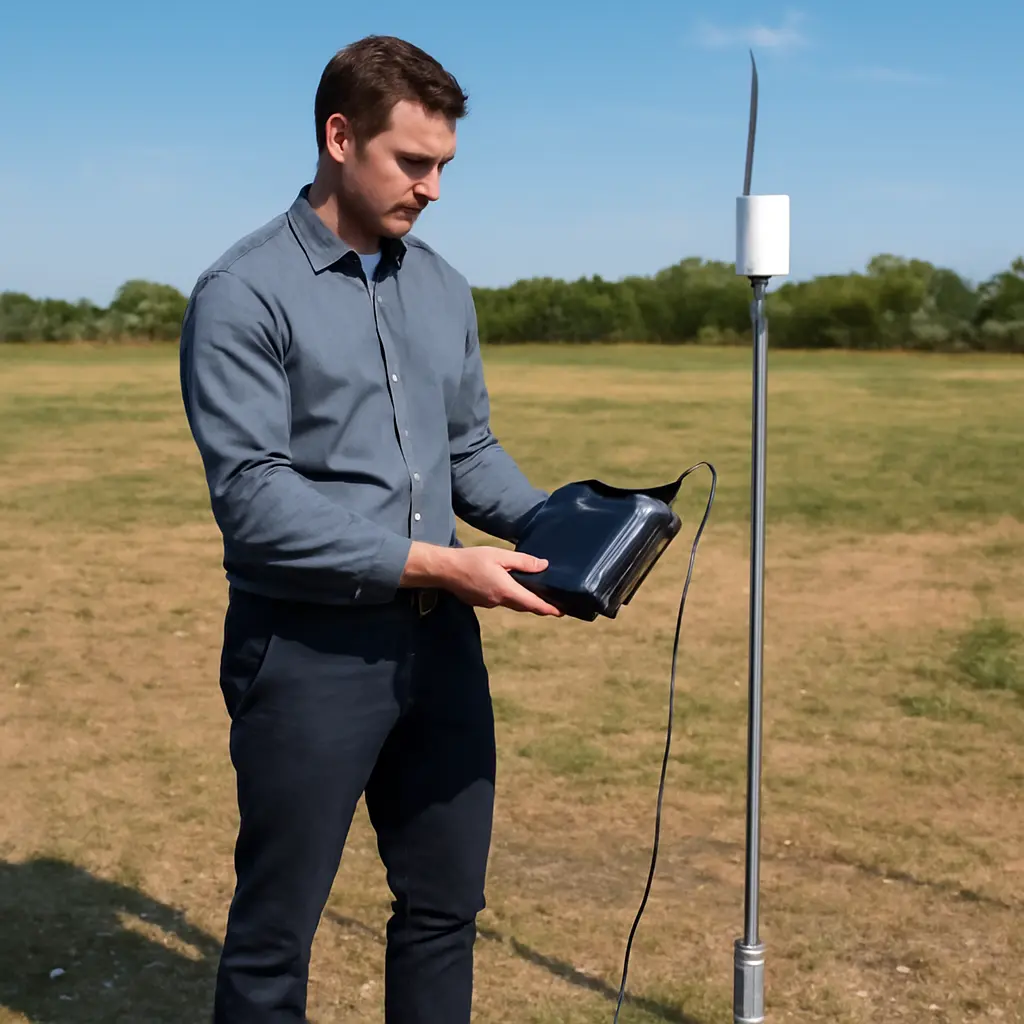
Low-band spectrum generally refers to frequencies below 1 GHz in mobile-network discussions. Its comparatively long wavelengths are useful for covering broad areas with fewer cell sites and for reaching indoors more reliably than many higher-frequency signals. This makes low bands valuable for rural coverage, highways, and baseline mobile service.
For example, 600 MHz and 700 MHz spectrum have been used for wide-area LTE and 5G coverage in the United States. The trade-off is that low-band channels can be relatively narrow, limiting the amount of data they can carry at once. Operators often combine low-band coverage with higher-band capacity rather than relying on one band for every task.
Mid-band spectrum: the 5G balance
Mid-band spectrum, commonly understood in mobile service as roughly 1–6 GHz, offers a practical compromise between coverage and capacity. It typically reaches farther than millimeter-wave signals while providing more bandwidth than many low-band assignments. As a result, it has become a major resource for 5G networks, especially in towns and cities where operators need both broad coverage and higher throughput.
The U.S. C-band auction illustrates the importance of this range. In 2021, the FCC reported that Auction 107 generated approximately $81 billion in winning bids for licenses in the 3.7–3.98 GHz range. The large investment reflected operators’ interest in mid-band spectrum as a foundation for expanded 5G capacity. Actual performance still depends on deployment density, channel width, backhaul, and the number of users.
High-band and millimeter-wave: dense capacity, limited reach
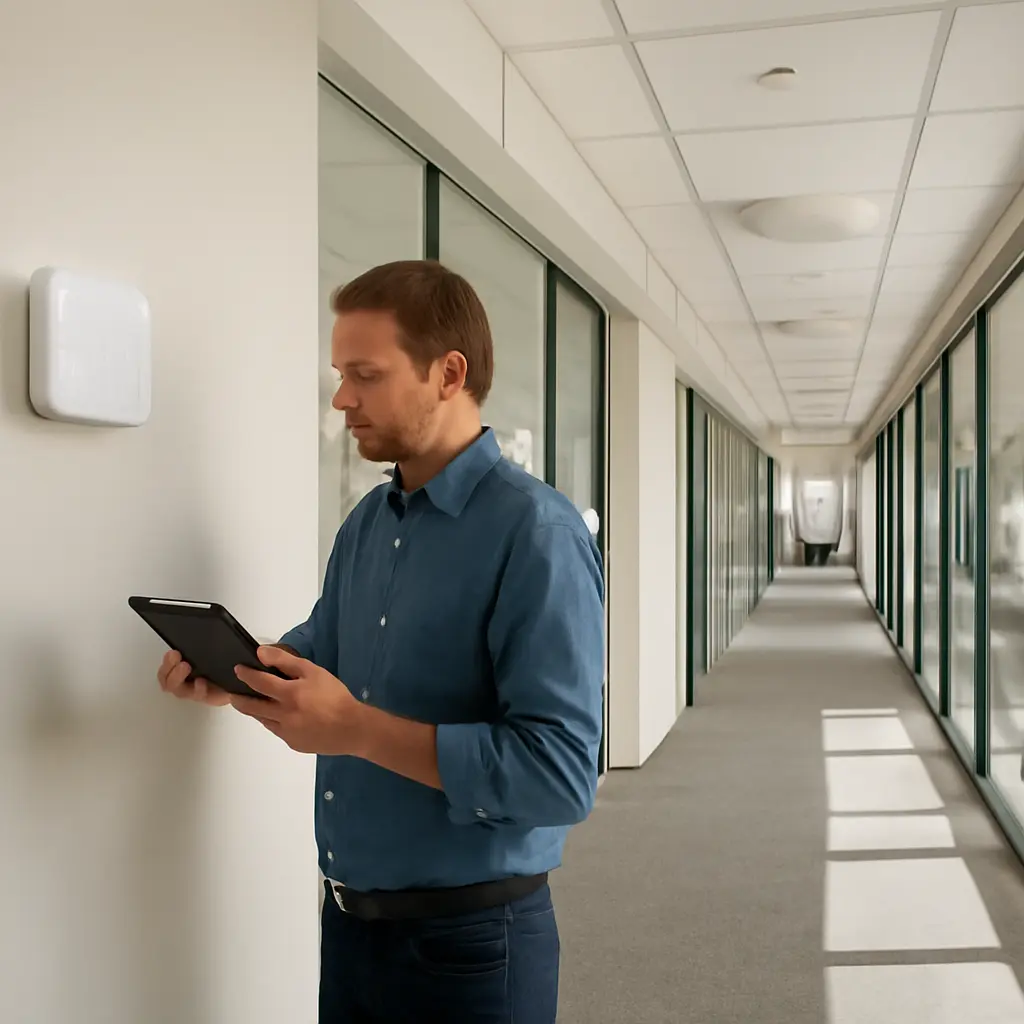
Millimeter-wave (mmWave) commonly describes radio frequencies from about 24 GHz upward, although exact usage varies by context. These bands can provide very wide channels and high peak speeds, making them attractive for crowded venues, fixed wireless links, and localized high-capacity zones. Their short reach and sensitivity to blockage, however, often mean that networks need more closely spaced sites and careful placement.
A mmWave signal may be weakened by walls, foliage, or even a person standing in its path. Operators can address these limits with small cells, beamforming, and multiple access points, but those measures increase infrastructure needs. Thus, mmWave is best understood as a targeted capacity layer rather than a universal replacement for lower-frequency mobile coverage.
Which Wireless Technologies Fit Which Frequencies?
Cellular networks: LTE and 5G use a spectrum portfolio
LTE and 5G are standards that can operate across multiple frequency ranges; neither is defined by a single band. Cellular networks commonly combine low-band coverage, mid-band capacity, and—in selected locations—high-band hotspots. This layered approach allows a device to remain connected over a wide area while using higher-capacity frequencies when available.
The 3GPP standards organization defines radio technologies and operating bands, while national regulators determine which frequencies are licensed or otherwise available. Consequently, supported bands vary by country and device model. A phone designed for one market may not support every band used by an operator in another.
Wi-Fi: different bands for reach, congestion, and speed
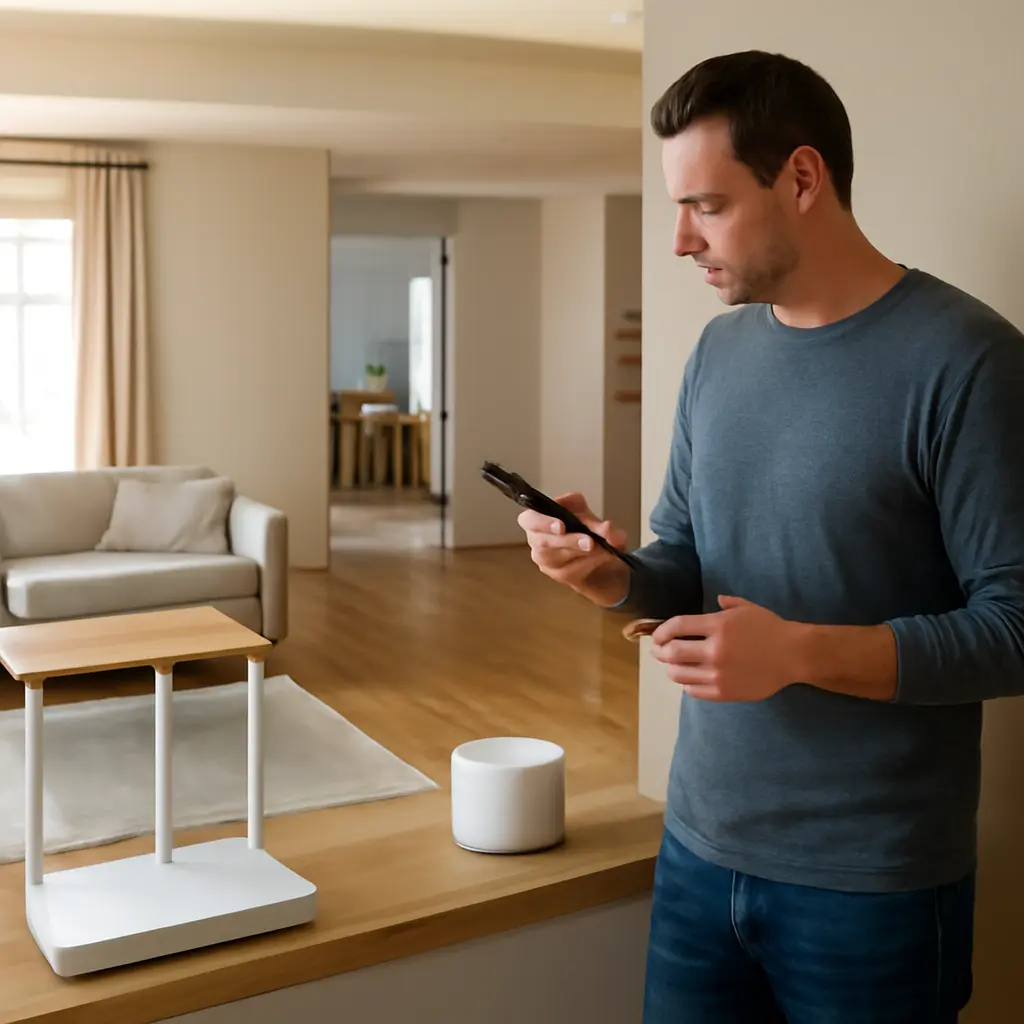
Wi-Fi operates in unlicensed spectrum, with the familiar 2.4 GHz and 5 GHz bands and the newer 6 GHz range available in many jurisdictions. The 2.4 GHz band generally travels farther and passes through obstacles better, but it is shared by many devices and can be crowded. The 5 GHz band offers more channel options and often higher local capacity, typically with less range through walls. The 6 GHz band adds spectrum for compatible Wi-Fi generations, including Wi-Fi 6E and Wi-Fi 7, but device and country support differs.
The FCC opened 1,200 MHz of spectrum in the 6 GHz band for unlicensed use in the United States in 2020. That additional spectrum can support wider channels and reduce congestion where compatible equipment is deployed. It does not mean every 6 GHz connection will be faster: distance, interference, router placement, and client-device capabilities still influence results.
Bluetooth, IoT, and low-power wide-area networks
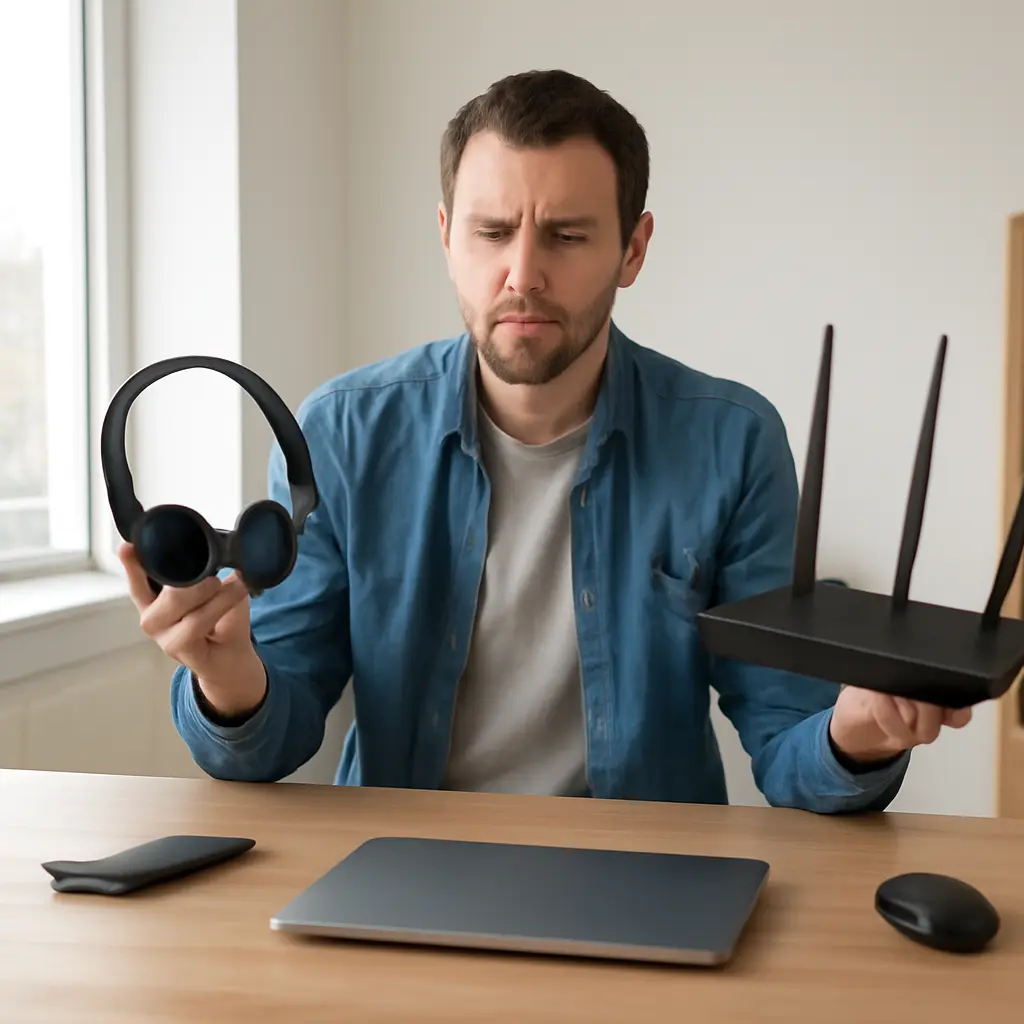
Bluetooth and many Internet of Things (IoT) systems use unlicensed bands, especially 2.4 GHz, because widely available equipment can communicate without an individual spectrum license in many regions. Bluetooth is designed for short-range personal-area links, while technologies such as LoRaWAN and certain cellular IoT services prioritize low power, broad coverage, or long battery life over high data rates.
IoT applications demonstrate why “best” depends on the task. A temperature sensor that sends a small reading a few times per hour does not need the bandwidth of a video stream. It may be better served by a low-power, long-range system, whereas a camera or industrial control application may need higher throughput, lower latency, or more predictable service.
What Determines the Winner Beyond Frequency?
Bandwidth, modulation, and network density
Bandwidth is the width of the frequency channel available to a radio system. Wider channels can carry more information under suitable conditions, but spectrum efficiency also depends on modulation, coding, signal quality, and scheduling. Modern systems can use advanced techniques such as multiple-input multiple-output (MIMO) antennas and beamforming to improve capacity and direct signals toward users.
Network density matters as well. A high-frequency network with many well-placed access points can deliver strong service in a venue, while a lower-frequency network may be preferable across a large rural region. “Winner” therefore means the technology that best meets the coverage, speed, reliability, latency, power, and cost requirements of a specific use case.
Licensing, interference, and device ecosystems
Spectrum access is governed by rules that differ across licensed, shared, and unlicensed bands. Licensed spectrum can give an operator more control over interference, while unlicensed bands enable broad access but require devices to coexist under technical rules. Shared-spectrum models can create additional access options, although coordination and equipment support are essential.
The technology also needs an ecosystem: compatible radios, antennas, phones, routers, and infrastructure. A band with favorable propagation has limited practical value if devices do not support it or if deployment costs are too high. Standards harmonization and international device markets can improve scale, but national allocations and local rules continue to shape availability.
A Practical Guide to Matching Frequency With Use Case
The following comparison is a simplified guide; real performance depends on the specific band, equipment, environment, and regulatory conditions.
- Choose lower frequencies when broad-area reach and indoor coverage are the priority.
- Choose mid-band when a balance of coverage and mobile capacity is needed, as in many 5G deployments.
- Choose high-band or mmWave when very high local capacity is valuable and dense infrastructure is feasible.
- Choose Wi-Fi bands according to the room layout, client capabilities, congestion, and required data rate.
- Choose low-power IoT technologies when devices send small amounts of data and battery life or coverage matters more than speed.
For a visual summary, a frequency-versus-coverage-and-capacity chart would show a general trend: as frequency rises, potential channel capacity often increases, while practical reach and obstacle penetration tend to decrease. The curve is not absolute, because channel width, power limits, antenna systems, and environmental conditions can shift the result.
Conclusion: Frequency Is a Strategic Advantage, Not a Standalone Verdict
Spectrum frequency helps determine the balance a wireless system can strike among range, penetration, and capacity. Low bands are suited to wide coverage, mid-bands often provide a strong compromise for mobile broadband, and high bands can deliver substantial capacity in dense, localized areas. Wi-Fi, cellular, Bluetooth, and IoT systems each use different parts of the spectrum because their requirements differ.
No single frequency range wins everywhere. The strongest networks combine suitable spectrum with capable devices, efficient standards, thoughtful site planning, and rules that support reliable coexistence. When evaluating a wireless service or planning a deployment, compare supported bands and local coverage, then consider the actual environment and application rather than relying on a headline speed claim. For further reading, consult spectrum information from the FCC, ITU, and 3GPP.
Sources: Federal Communications Commission, “Auction 107: 3.7 GHz Service,” https://www.fcc.gov/auction/107; Federal Communications Commission, “FCC Opens 6 GHz Band to Wi-Fi and Other Unlicensed Uses,” https://www.fcc.gov/document/fcc-opens-6-ghz-band-wi-fi-and-other-unlicensed-uses; International Telecommunication Union, “Radio Regulations,” https://www.itu.int/pub/R-REG-RR; 3rd Generation Partnership Project, “Specifications,” https://www.3gpp.org/specifications-technologies; Federal Communications Commission, “Spectrum Allocation,” https://www.fcc.gov/general/spectrum-allocation